R7.50
12 available
Description
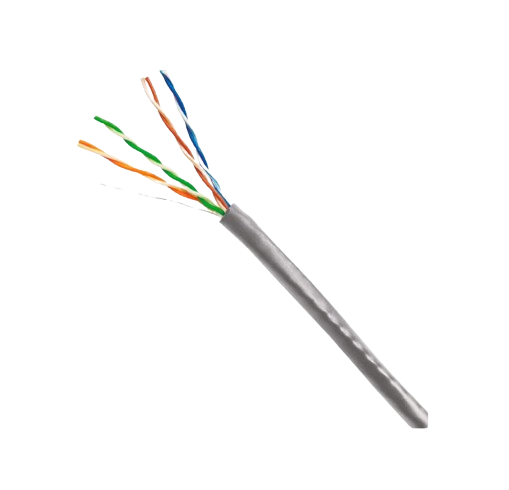
CAT5 CCA (Copper Clad Aluminium) cable is an economical networking solution designed for standard ethernet applications. This cable is ideal for residential and small office networks, providing reliable connectivity at an affordable price.
Product Specifications:
- Cable Type: CAT5 CCA (Copper Clad Aluminum)
- Bandwidth: Up to 100 MHz
- Maximum Data Rate: 100 Mbps (Fast Ethernet)
- Conductor Material: Copper Clad Aluminum
- Conductor Gauge: 24 AWG
- Insulation: Polyethylene (PE)
- Jacket Material: PVC (Polyvinyl Chloride)
- Cable Length: As specified (minimum 1m)
- Color: Typically gray or blue (depends on availability; if you require a specific color, please contact us before placing your order)
- Connector Type: RJ45
- Compliance: Meets TIA/EIA-568-B.2 standards
- Temperature Rating: -20°C to +75°C
- Applications: Suitable for ethernet networking, data transfer, and basic voice applications
Key Features:
- Affordable: Utilises CCA conductors to reduce costs while maintaining adequate performance for standard networking needs.
- Reliable Performance: Supports Fast Ethernet (FE) speeds of up to 100 Mbps, suitable for home and small office networks.
- Flexible and Durable: PVC jacket provides flexibility and protection, making it easy to install in various environments.
- Standards Compliance: Adheres to industry standards for CAT5 cables, ensuring compatibility with a wide range of networking devices.
- Versatile Use: Ideal for connecting computers, printers, routers, and other network devices in residential or small office settings.
CAT5 CCA cable offers an economical solution for basic network installations, providing dependable performance for everyday connectivity needs.
Considerations when using CCA cable:
CCA cable will work for most applications but it the following are important considerations:
- Lower Conductivity:
- Copper Clad Aluminum (CCA) cables have lower electrical conductivity compared to pure copper cables. This can result in reduced network performance, especially over longer distances.
- Higher Resistance:
- CCA cables exhibit higher electrical resistance than pure copper cables, leading to potential signal loss and attenuation, which can affect data transmission quality.
- Increased Heat Generation:
- Due to higher resistance, CCA cables can generate more heat during operation, which may affect the longevity and reliability of the cable and connected devices.
- Lower Durability:
- CCA cables are generally less durable and more prone to physical damage, such as kinking or breaking, compared to pure copper cables. This makes them less suitable for environments where cables are subject to frequent movement or bending.
- Inferior Mechanical Strength:
- The aluminum core in CCA cables is less robust than copper, making the cables more susceptible to breaking under mechanical stress, such as pulling or twisting during installation.
- Not Ideal for Power Over Ethernet (PoE):
- CCA cables are not recommended for PoE applications due to their higher resistance and reduced current-carrying capacity, which can lead to excessive heat buildup and potential failure of the network.
- Shorter Lifespan:
- The lower durability and mechanical strength of CCA cables can lead to a shorter lifespan, necessitating more frequent replacements and potentially higher long-term costs.
- Potential Corrosion:
- Aluminum is more susceptible to corrosion compared to copper, which can degrade the performance of CCA cables over time, especially in environments with high humidity or exposure to moisture.